LAA0036 - Fact, Fiction, and Forensics: Navigating News with Critical Insight
11549294
Delivery Options
LEC-Lecture
Loading...
Course Description
In a world saturated with sensational headlines and emotionally charged news, it's easy to get swept away by first impressions. You are invited to approach news consumption as a forensic scientist approaches a crime scene: with logic, detachment, and curiosity. Using critical thinking tools, students will analyze contemporary news stories, examining sources, motives, language, biases, and visual presentation — to distinguish between fact, opinion, and manipulation. The goal is not just to critique the news but to cultivate intellectual independence and a balanced, thoughtful worldview.Learner Outcomes
By the end of this course, students will be able to:• Recognize emotional triggers in news media and develop self-awareness of personal biases.
• Apply critical thinking methods to dissect and analyze news stories.
• Identify logical fallacies, rhetorical techniques, and evidence quality in media reports.
• Evaluate the motives and biases of news outlets and content creators.
• Construct well-rounded, independent conclusions about contemporary events.
• Develop strategies for ongoing media literacy and lifelong critical thinking.
Instructors
Loading...
Enroll Now - Select a section to enroll in
Required fields are indicated by .
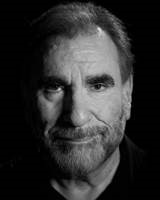 George Vroustouris is a Nationally Certified Identity Protection Advisor® (CIPA), UIT trainer, public speaker, and adjunct instructor.With thirty-plus years of experience in communications technology, George now focuses on data management, analysis, and cyber security. He provides the vetted resources, protection and comprehensive training needed to secure and manage identity, reputation and digital assets.